Top Chimney Cleaning Services Illinois
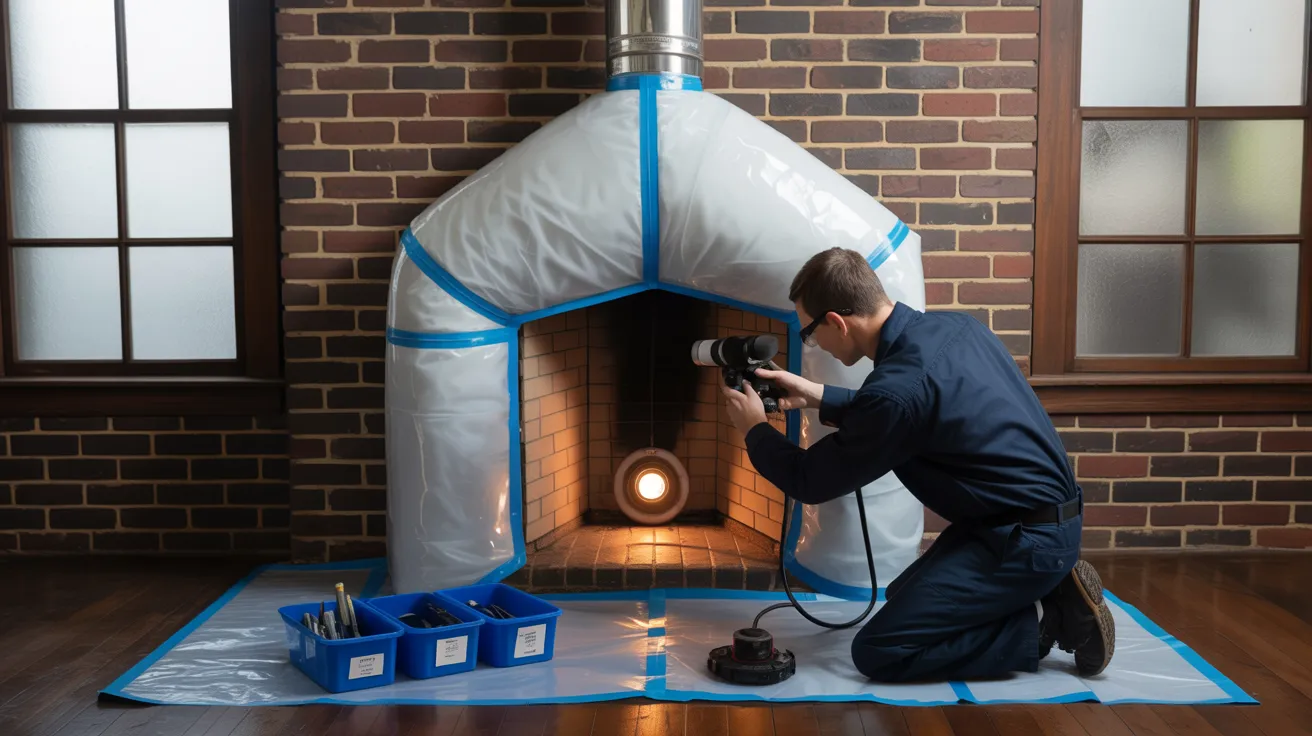
Get in touch with Illinois chimney sweep and fireplace service professionals who adhere to NFPA 211, IRC R1001-R1005, and ANSI guidelines. Our team delivers annual CSIA-certified inspections (Levels I-III), HEPA-contained maintenance, creosote removal, video inspections, draft/CO testing, and photo-documented documentation. Our professionals restore crowns, repoint masonry, seal per ASTM, and implement UL 1777 stainless liners, listed caps, and draft interlocks. We accurately size and position vents, check clearances, and convert to EPA/ANSI-listed inserts. Get complete estimates, permits, and warranties-learn how to select the most secure, most efficient service.
Main Insights
- Opt for CSIA-certified specialists performing NFPA 211 Level I-III assessments, once per year and after incidents, complete with visual documentation and organized maintenance needs.
- Weather in Illinois speeds up masonry deterioration; find professionals who specialize in moisture protection, mortar restoration, crown maintenance, cap fitting, and flashing installation according to ASTM standards.
- Make sure the sweeping process includes mechanical cleaning to bare liner, along with HEPA containment, airflow and carbon monoxide readings, and thorough cleaning verification records.
- For chimney upgrades, install UL 1777-listed flue liners, spark-arrestor caps, and building code approved fireplace inserts (EPA-certified wood, ANSI/CSA-compliant gas) matched to your chimney.
- Ask about safety systems and CO/heat monitoring equipment, draft safety interlocks, wildlife removal solutions, and ventilation testing for tight home construction.
The Importance of Regular Chimney Service in Illinois
Despite seasonal-only fireplace use, Illinois' weather patterns and moisture conditions increase chimney damage, making periodic inspections essential for meeting safety standards. Dampness causes masonry expansion, spalls brick, and degrades chimney liners, reducing proper airflow and toxic gas dangers. It's important to arrange regular inspections to clear creosote deposits per NFPA 211 guidelines and confirm proper spacing to flammable items match manufacturer specifications and IRC standards. Specialists check chimney components to stop water penetration and clear animal nests so nests don't block flues or pose ignition dangers. They evaluate venting system status, smoke chamber integrity, and damper operation, and note deficiencies affecting safety or regulatory requirements. Routine service and preventive maintenance lower chimney fire chances, safeguard air quality, and ensure optimal operation through stable airflow and appropriate venting.
Professional Chimney Inspections: A Complete Guide
A CSIA-certified inspection will be scheduled by level (I, II, or III) according to NFPA 211, based on access conditions, recent modifications, or incident history. Your certified professional will analyze and review the entire system including clearances, flue integrity, liners, smoke chamber, firebox, damper, caps, and appliances, typically employing video scanning to detect hidden defects. You will receive a comprehensive written report outlining code compliance status, identified deficiencies, photographic evidence and recommended safety repairs and further assessment priorities.
Inspection Levels Explained
Before arranging service, you should be familiar with how professional chimney inspections are structured. NFPA 211 defines three distinct levels. Level 1 is a standard chimney inspection for unchanged systems and ongoing use; it involves visual assessment of accessible parts using basic inspection tools like flashlights and reflectors. Level 2 becomes necessary following ownership change, fuel or appliance change, or following operational issues or major weather incidents; it incorporates video inspection of internal flue surfaces and accessible portions. Level 3 is thorough, allowing displacement of construction components when potential problems are hidden.
Follow NFPA-recommended inspection frequency: at least once per year, and following any events. Licensed inspectors log findings, compliance issues, and potential hazards. We'll provide a comprehensive report noting conformity, problems, and necessary remedial measures.
Areas Inspectors Evaluate
According to NFPA 211, qualified professionals conduct thorough evaluations to verify that the complete chimney and venting assembly is performing correctly and securely. They verify proper spacing from flammable materials, component connections, and proper ventilation requirements. On the exterior, they inspect the cap integrity, crown structure, overall masonry, and flashing installation for water resistance. They confirm the flue liner is intact, dimensioned as specified in NFPA 54/211, and free from damage or displacement.
Inside, they carefully copyrightine the firebox, lintel, and damper operation, including the smoke chamber for parging, smooth transitions, and potential blockages. They conduct draft measurements and analyze creosote deposits (glazed versus brushable). In the attic and basement areas, they inspect structural supports, thimbles, and connection angles. They verify vent terminations, hearth extension measurements, carbon monoxide channels, and required clearances based on manufacturer guidelines and applicable codes.
Inspection Summary Report
After completing the inspection, the inspector presents a thorough written report that details measurements, photos, and observations, linked to relevant standards (NFPA 211/54) and manufacturer listings. You'll see documented defects by position (firebox, flue, crown, cap), seriousness, and code citations. The report includes details about clearances to combustibles, liner type/size, draft and CO readings, moisture content (for masonry), and accessible attic/chase observations. It highlights Level II/III assessments if covered areas require additional evaluation as per NFPA 211.
We provide you with critical system improvements, budget projections, and service timelines to maintain system integrity and meet insurance requirements. Subsequent suggestions encompass maintenance periods, liner solutions, heat shield maintenance, and ventilation system modifications per NFPA 54. Don't hesitate to seek clarifications and scheduling. Proper documentation and clear communication drive customer satisfaction and improved safety.
Deep Cleanings to Remove Creosote and Soot
While your fireplace may draft effectively, comprehensive cleaning is crucial to clean out creosote and soot that collect on internal chimney surfaces and components. You'll minimize chimney fire hazard and reestablish proper airflow when you schedule creosote removal and soot extraction according to NFPA 211 standards. We utilize brush and rotary cleaning procedures to reach bare masonry or listed liner, then conduct HEPA-vacuum extraction to contain particulate. In cases where glazed Stage 3 deposits are found, we implement approved chemical applications, never aggressive abrasive grinding that could harm tiles or stainless liners.
We inspect and verify clearance to combustibles, assess connectors, and clear caps and smoke chambers in compliance with Illinois code and manufacturer specifications. Following cleaning, we confirm draft through manometer readings and document measurements. To prevent issues, don't burn unseasoned wood or trash; keep moisture levels below 20% to minimize creosote accumulation.
Brick Repair, Repointing, and Waterproofing Services
Flue systems only function as specified when the chimney assembly remains intact, so we address masonry defects that impact safety and draft. We copyrightine structural conditions following NFPA 211 and state code requirements, then specify mortar repair that aligns with original composition and strength. We repair damaged joints to maintain load paths and prevent flue gas seepage. Spalled bricks and cracked crowns get rebuilt with structural mixes and appropriate drip edges.
To stop water penetration-the primary cause of masonry failure-we put in breathable moisture protection and water barriers per ASTM requirements. We waterproof masonry with vapor-permeable silane/siloxane solutions, not paint. We improve chimney-to-roof connections with step and counter-flashing, then verify slopes, weeps, and expansion joints for durable, code-compliant results.
Essential Chimney Components: Liners, Caps, and Airflow
Though masonry keeps the chimney intact, liners, caps, and draft controls make it burn safely and effectively. You must have a continuous, code-approved flue per NFPA 211 and the Illinois Mechanical Code. Choose liner materials depending on appliance type and fuel: stainless steel (316/304) for the majority of solid-fuel and oil, 316Ti for condensing byproducts and coal, aluminum specifically for select gas Category I, and approved ceramic or cast-in-place for extreme heat durability. Size the liner to chimney height and appliance output using manufacturer tables to preserve appropriate velocity and temperature.
Mount a approved cap with vermin screen and spark arrest features; combine it with a cap that diverts water. Check performance with draft measurements via manometer at the connector and smoke spillage checks. Add a sealing damper at the top or barometric regulator only where codes approve.
Fireplace Upgrades: Gas, Wood, and Inserts
When deciding between gas and wood options, you'll need to consider fuel availability, heating capacity, and regulatory requirements (such as NFPA 211 and municipal installation requirements). When choosing a high-efficiency insert, here remember to confirm EPA certification, proper unit sizing and liner systems that meet manufacturer guidelines. When addressing venting and safety protocols, ensure proper installation of CO detectors, maintain required clearances, install proper hearth protection, install certified venting components (Type B/AL for gas, stainless liners for wood), and obtain necessary permits and inspections before operating the system.
Selecting Gas or Wood: A Guide
In residential settings, selecting between gas and wood heating options comes down to building codes, ventilation requirements, and long-term expenses in addition to atmosphere. In Illinois, installations must follow IRC/IFGC for gas appliances and NFPA 211 for solid-fuel systems. Gas units must have approved units, appropriate gas line sizing, shutoff valves, and proper airflow; direct-vent configurations streamline installation and lower the chance of backdrafting. Wood fireplaces demand an approved chimney system, clearances to combustibles, and scheduled maintenance including chimney cleaning.
You'll need to weigh initial installation fees versus long-term operational costs. Gas appliances generally cost more initially but require less maintenance; wood installations might require chimney updates and regular checks. Consider emission differences: sealed gas units produce lower particulates, whereas wood units meeting EPA standards reduce particles but depend on seasoned wood. Always obtain permits and inspections.
High-Performance Inserts
Upgrade warmth and safety features with advanced fireplace inserts that upgrade open fireplaces into sealed, code-compliant systems. You'll experience better energy efficiency through optimized burning, insulated doors, and protected fireboxes that achieve higher AFUE/HHV performance than conventional open hearths. Select EPA-certified wood inserts or ANSI/CSA-listed gas inserts to fulfill Illinois code and manufacturer requirements.
Begin by prioritizing installation considerations: confirm firebox specifications, hearth protection requirements (R-value), and clearances to combustibles as specified in UL 1482 (wood) or ANSI Z21.88 (gas). Verify the chimney condition and dimensions match the insert's certified setup, and utilize approved parts furnished by the manufacturer. Power needs for blowers should be installed on a dedicated, GFCI-protected circuit when necessary. Set up a CO alarm within the required distance. Record serial numbers, ratings plates, and setup information for warranty and inspection requirements.
Ventilation System and Safety Enhancements
Although visual appeal matters, the main priorities for fireplace modifications are safety and proper ventilation. The first step is by checking chimney specifications, liner type, and stack height according to IRC M1801 and NFPA 211. UL 1777-certified stainless liners correctly manage ventilation for wood stoves, gas logs, and inserts, minimizing condensation and spillage. Employ airflow modeling to verify sufficient combustion air and pressure balance, particularly in well-sealed Illinois homes.
Improve vent endings with backdraft-preventing caps and spark arrestors. Integrate CO and heat detection equipment tied to automatic gas shutoff (ANSI Z21.88/CSA 2.33) and draft interlocks that shut down appliances if pressure drops or flues become obstructed. For wood installations, fit listed chimney connectors, clearance shields, and hearth extensions following manufacturer guidelines. Verify make-up air provisions, seal thimbles, and log a final ventilation, carbon monoxide, and pressure evaluation.
Upfront Quotes, Safety Regulations, and Planning
Start with comprehensive itemized estimates that detail inspection level (NFPA 211 Levels 1-3), scope (sweep, video scan, crown or liner work), materials, labor hours, and required permits, so you can compare apples to apples before authorizing work. Demand clear pricing tied to ASTM-listed materials and manufacturer specs. Ask your pro to cite NFPA 211, IRC R1001-R1005, and local Illinois amendments for flue sizing, safety distances, hearth extension, and lining requirements. Verify they record defects with photos or video per Level 2 protocols after a chimney incident, system change, or property transaction.
Verify and confirm insurance documentation and WBEA/CSIA certifications, including written warranties for chimney liners and caps. Utilize flexible scheduling that focuses on safety-important matters-addressing systems with significant soot buildup immediately and addressing carbon monoxide risks right away-and verify appointment times, preparation requirements, and detailed post-service documentation.
Most Common Questions
Are Emergency Chimney Services Available During Severe Illinois Winter Storms?
Yes, you may request emergency chimney services during severe Illinois winter storms. You'll get storm response with rapid deployment for chimney blockages, storm damage, and safety hazards. Professional specialists adhere to NFPA 211 and IRC provisions, carry out draft and CO checks, eliminate obstructions, and reinforce masonry. They focus on venting safety, verify chimney integrity, and record code compliance. You need to disable connected devices, cease operation, and seek help promptly if you observe smoke, notice unusual drafts, or have alarm activation.
Do Your Technicians Have Insurance and Background Checks for Safety?
We provide certified technicians and screened staff, since proper certification matters, not just verbal assurance for NFPA compliance. We thoroughly check insurance coverage, keep qualifications up-to-date, and document all background checks before allowing site access. Our technicians strictly follow NFPA 211, IRC M1801, and OSHA 1910/1926 guidelines, including PPE, lockout/tagout, and confined-space safety measures as required. We provide comprehensive service reports detailing safety checks, clearances to combustibles, proper venting conditions, and camera inspection results - making safety a verifiable commitment, it's fully audited.
What Parts and Brands Do You Keep in Stock for Same-Day Fixes?
We carry common manufacturer and UL-certified parts for same-day repairs: stainless flue liners and connectors, spark arrestors and ceramic caps, heat-resistant firebrick panels, thermal crown sealants, damper assemblies (top-sealing and throat), gas log valves, thermal sensors, pilot mechanisms, and NFPA-211 compliant chase covers. We provide rope gaskets, high-temperature cement, and cap screens conforming to IRC/IMC standards. All parts meet ASTM/UL specifications, implemented following manufacturer specifications to ensure safety standards and proper drafting.
Can You Work With Home Insurance on Insurance Claims?
Need to know about how we handle your insurance-related needs? Yes, we can help. You'll receive comprehensive assessments, NFPA 211-compliant reports, and photo documentation that distinctly differentiates unexpected damage from routine maintenance needs. We'll work with your claims representative, deliver Xactimate estimates, and validate against local mechanical and fire codes. Prioritizing safety, we implement urgent safety solutions, then proceed with regulation-adherent fixes. You approve documentation, while we track due dates, supplemental claims, and final resolution.
What About Maintenance Reminders and Service Plans?
Indeed. You receive seasonal maintenance notifications and personalized service plans in accordance with NFPA 211 and local mechanical codes. We schedule sweeps, Level I/II inspections, and draft/CO checks before peak burn seasons. You'll get detailed inspection reports, visual documentation, and preferred scheduling. We track chimney liner condition, safety clearances, flashing systems, and masonry condition to prevent hazardous accumulation and structural deterioration. Programs cover alarm system checks, ventilation assessments, and required paperwork for meeting insurance requirements.
Closing Remarks
When you schedule professional chimney service in Illinois, you're not just checking a box-you're activating a top-tier safety upgrade for your home. You'll get NFPA 211-compliant inspections, maintenance that removes creosote Stage 1-2, and solutions that address spalling, leaks, and draft issues. With UL‑listed liners, code‑rated caps, and properly sized vents per IRC/IMC, your fireplace will function at peak performance. Don't compromise on carbon monoxide or chimney fires-schedule today and secure your home.